
Growing stronger together
By joining the group, each company gains access to resources that it could not mobilize on its own due to its size, as well as shared expertise.
The skills we pool
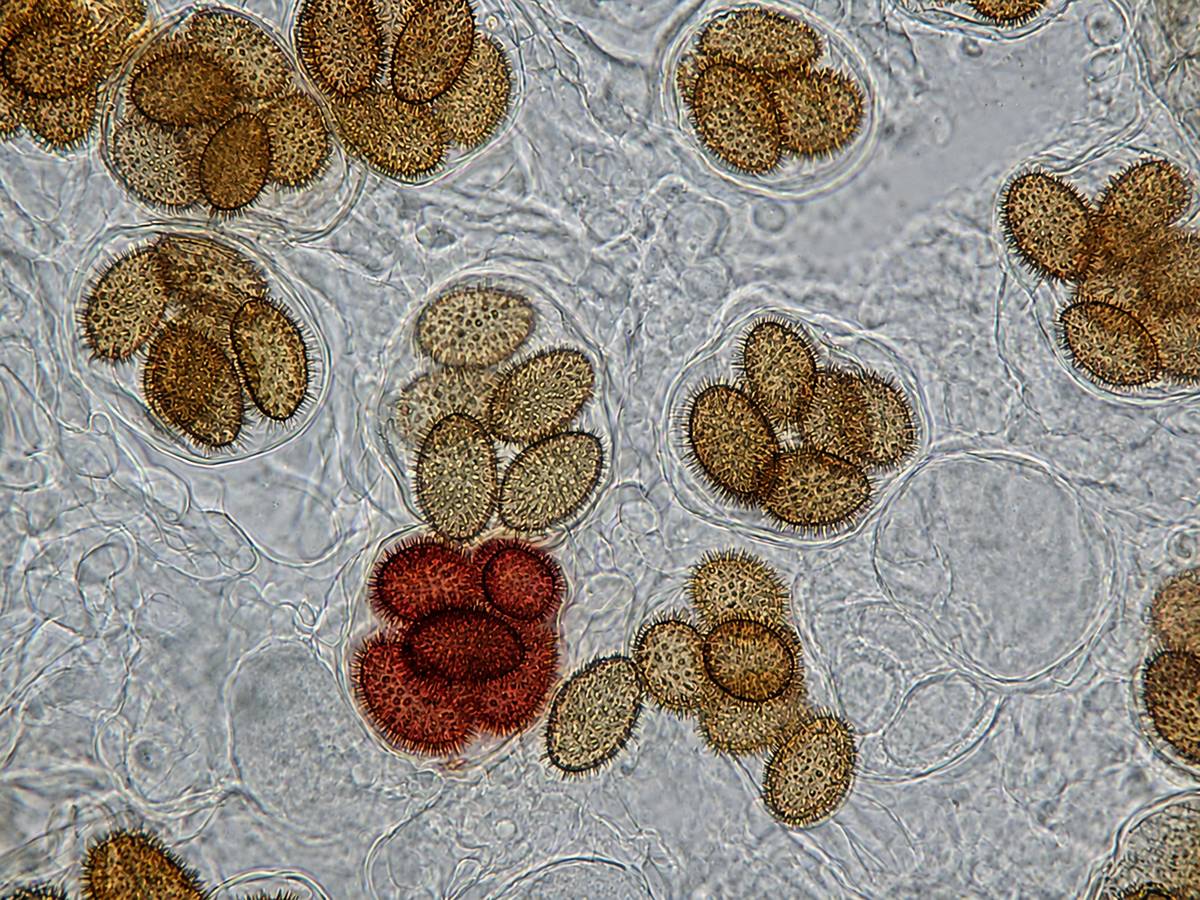
Plant biotechnology
Selection of outstanding individuals, plant variety rights, in vitro culture and propagation protocols.
Biotechnology makes it possible to understand, select, propagate and protect plants better, in order to meet the specific needs of agricultural and industrial value chains.
- Plant molecular biology and gene-expression analysis
- Plant breeding
- In vitro culture and micropropagation
- Biological crop protection
- Biostimulants
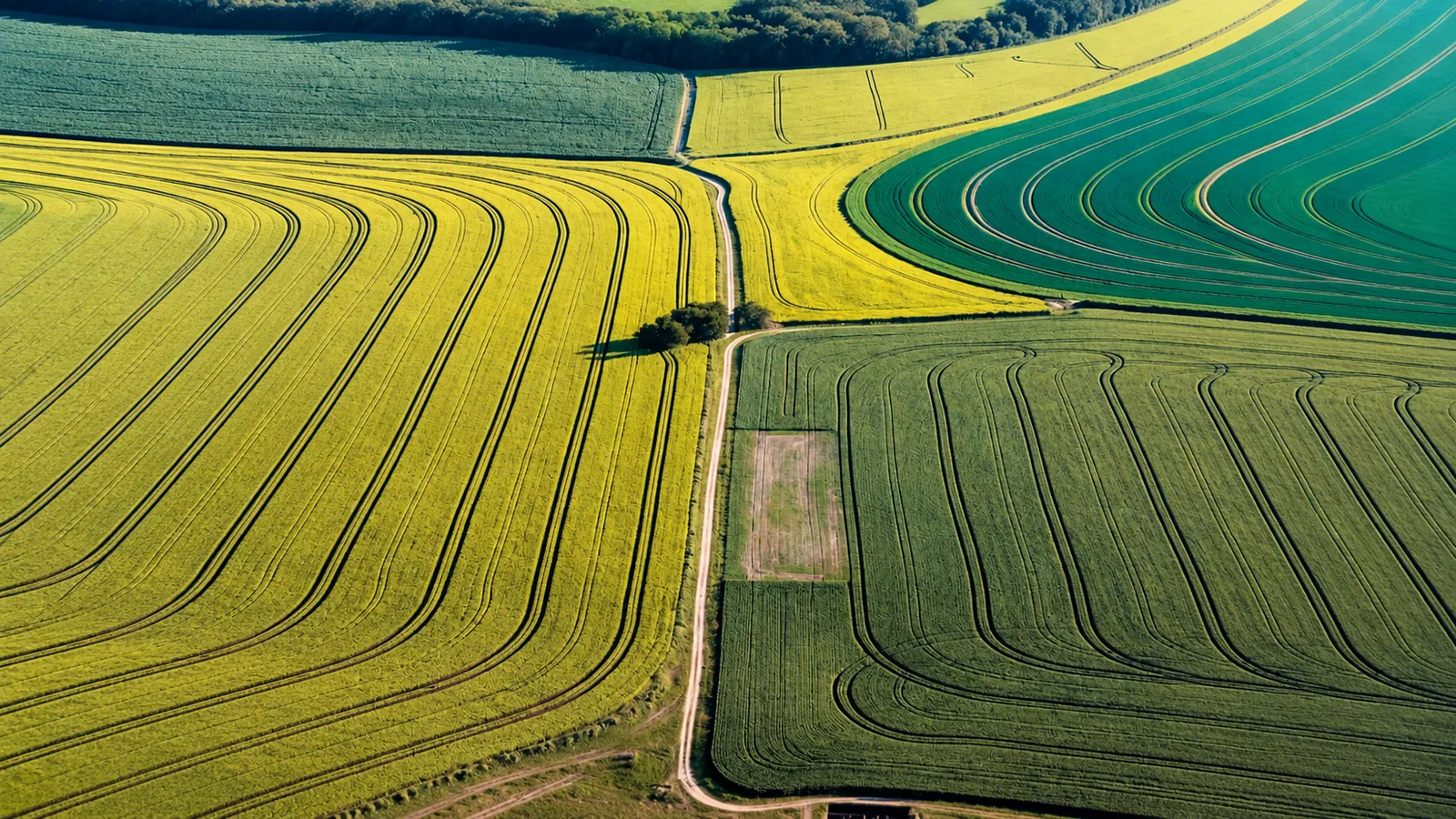
Precision agriculture
Instrumented nursery management: propagation greenhouses, irrigation control, plant traceability through to delivery.
Precision agriculture combines technology, data and equipment to observe crops more closely, optimise resources and steer production.
- GPS systems, drones and mapping
- Precision fertilisation
- Smart irrigation
- Growth monitoring
- Traceability tools
- Growing greenhouses
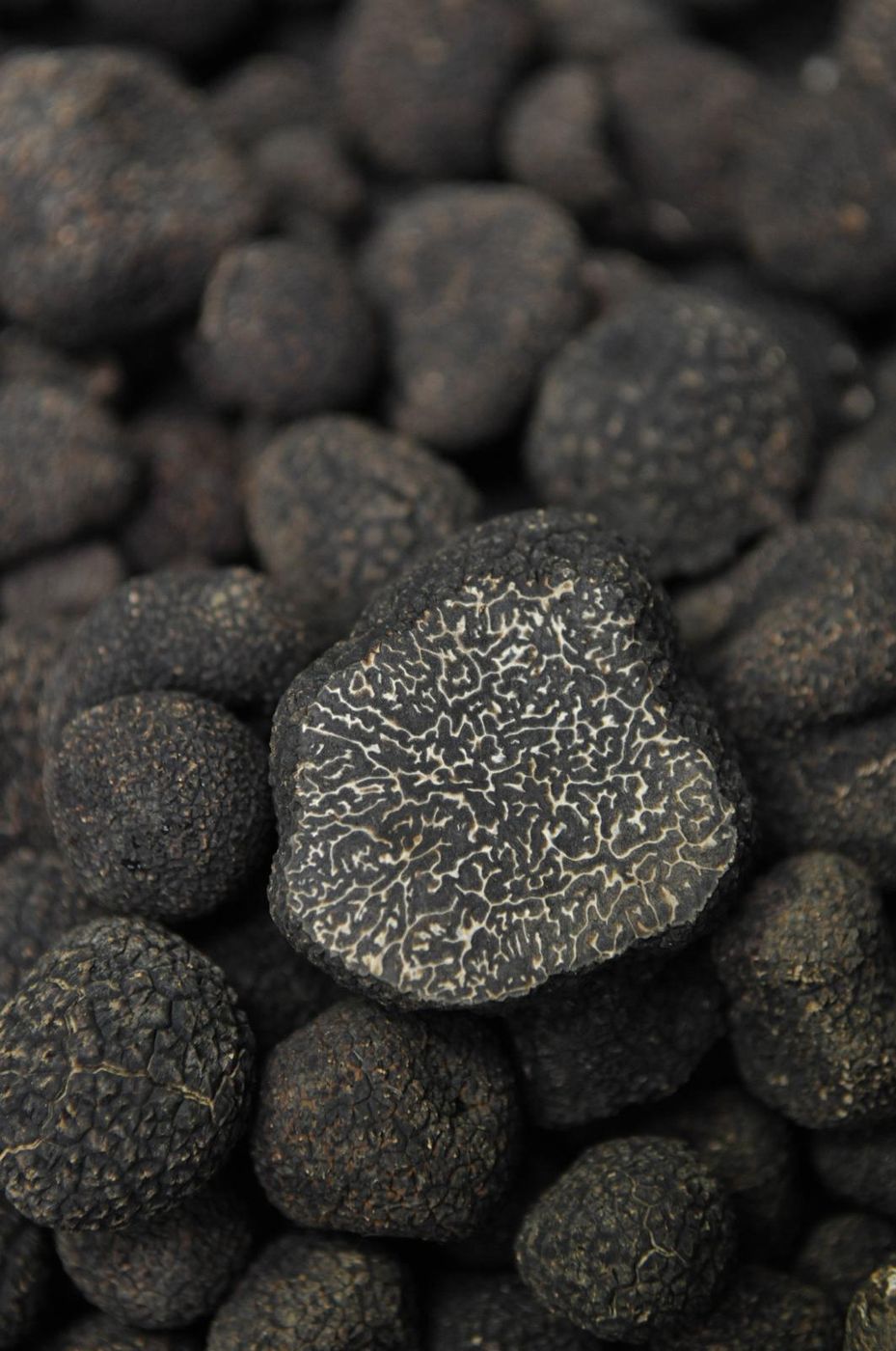
Agronomy and cropping systems
Soil health, conditions for establishment, adaptation of species to climate and terroir, trials in real conditions.
Agronomy connects the plant, the soil, resources and farming practices in order to understand and optimise production systems.
- Analysis of cropping systems
- Assessment of yields and pests
- Agroecological practices
- Propagation and production greenhouses
- Open-field trials
- Implementation at scale
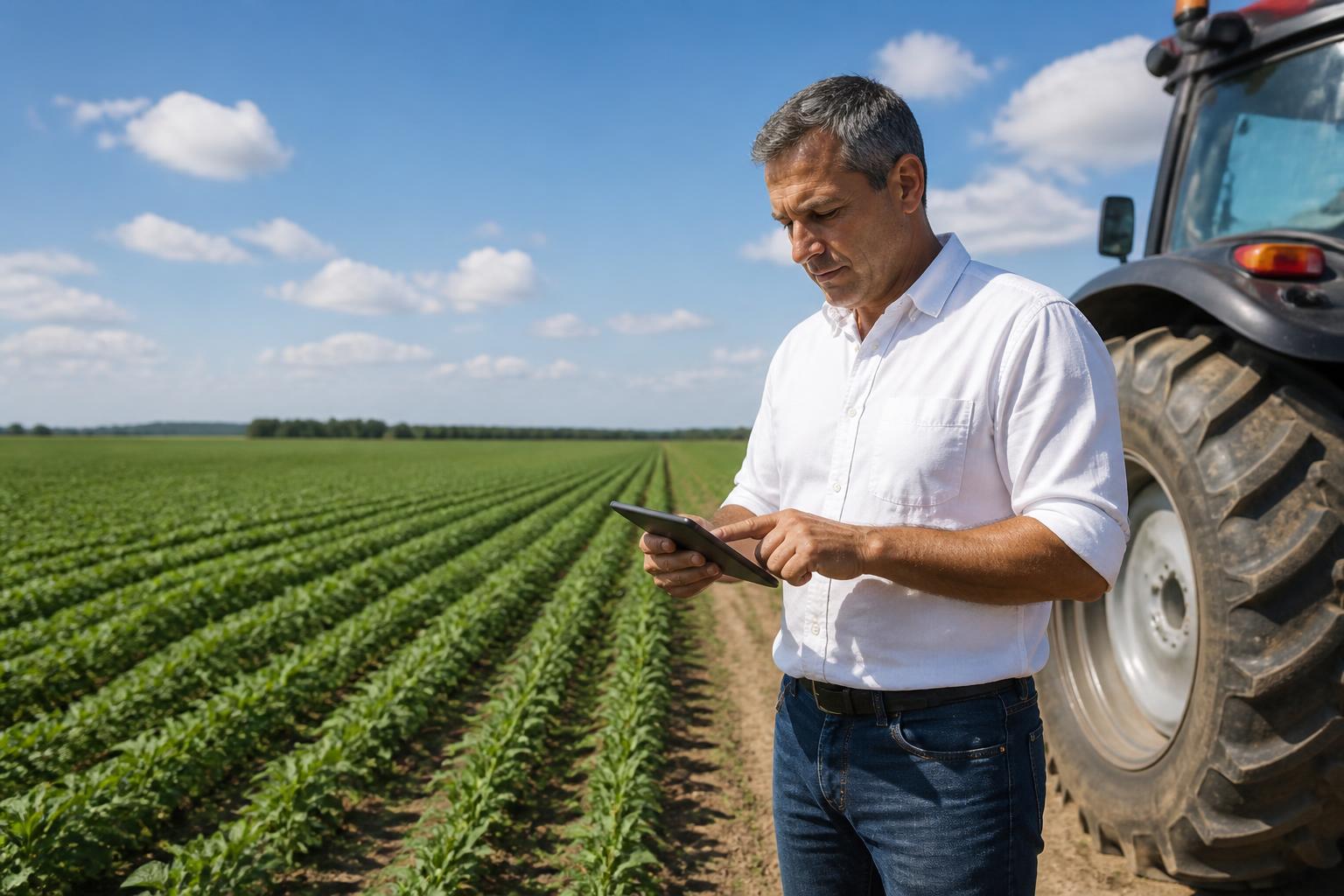
AI and data
Models applied to symbiosis, yield and variety selection and value created from operating data.
Artificial intelligence and data analysis make it possible to connect information from the different stages of a plant value chain in order to support decision-making.
- Collection and protection of large volumes of data
- Artificial intelligence agents for production
- Searching for correlations to support operational decisions

Value-chain strategy and development
Acquisition of production companies, financial structuring, market access and a redesign of the commercial presence.
Transforming a plant value chain means connecting scientific innovation, production, financing, organisation and market access.
- Strategy for integrated value chains
- Optimisation of financial resources
- Business model
- Marketing and commercial development
- Mergers and acquisitions
In the experts' words
Seven members of our operational expert committee, on what technology actually changes in the value chains.
Perennial and tree species, often referred to as orphan crops, whether grown in temperate or tropical climates, urgently require genetic improvement. They can rapidly benefit from the experience gained in major field crops, vegetable crops, and ornamental species.
Dr Vincent Pétiard · Scientific leadership